
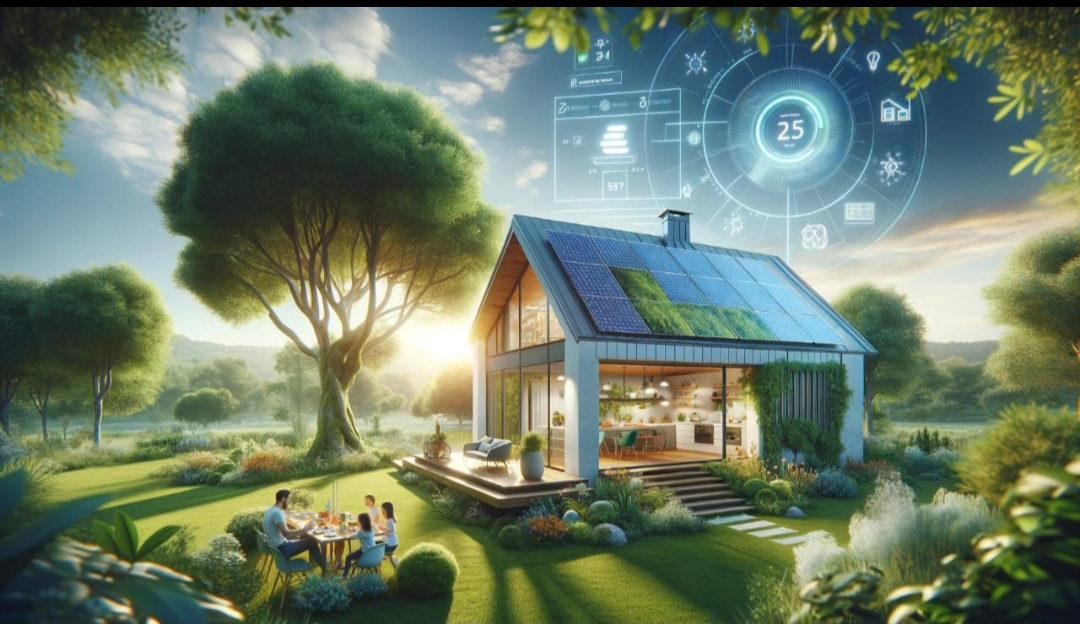

Effective strategies for sustainable living that not only reduce our carbon footprint but also help us save money and create a more comfortable living environment.
As the temperatures rise during the summer months, so does the demand for energy to keep homes cool and comfortable. However, the excessive use of energy contributes to environmental issues and strains our resources. In this article, we delve into the science of summer energy conservation, exploring effective strategies for sustainable living that not only reduce our carbon footprint but also help us save money and create a more comfortable living environment.
Understanding Energy Consumption in Summer
To effectively conserve energy during the summer, it is crucial to understand how energy is consumed. Air conditioning systems are the primary energy consumers, accounting for a significant portion of residential energy usage. By examining energy consumption patterns and identifying areas of improvement, we can implement targeted strategies to reduce energy waste.
Energy-Efficient Cooling Systems
Investing in energy-efficient cooling systems can significantly impact summer energy conservation efforts. High-efficiency air conditioners, heat pumps, or evaporative coolers can cool homes while consuming less energy. Features such as programmable thermostats, variable-speed compressors, and smart home integration optimize cooling efficiency and allow for better control over energy usage.
Insulation and Sealing
Proper insulation and sealing play a vital role in maintaining indoor temperatures and reducing the load on cooling systems. Insulating roofs, walls, and windows minimizes heat transfer, keeping homes cooler naturally. Additionally, sealing gaps and cracks in doors, windows, and ductwork prevents the infiltration of warm air and ensures the effectiveness of cooling systems.
Passive Cooling Techniques
Implementing passive cooling techniques maximizes the utilization of natural elements to cool homes. These techniques include proper shading through trees, awnings, or blinds to block direct sunlight, as well as strategic ventilation through cross-ventilation, window placement, and the use of ceiling fans. By harnessing natural airflow and reducing reliance on artificial cooling, passive cooling techniques contribute to significant energy savings.
Efficient Energy Management
Adopting efficient energy management practices can significantly reduce energy waste. This includes adjusting thermostat settings to optimal temperatures, utilizing energy-saving modes on appliances, and turning off lights and electronics when not in use. Energy monitoring devices can help track consumption patterns and identify areas for improvement, encouraging mindful energy usage.
Renewable Energy Integration
Exploring renewable energy sources for powering homes during summer can be a game-changer for energy conservation. Installing solar panels or utilizing solar-powered devices reduces reliance on traditional energy grids and minimizes carbon emissions. Net metering systems allow excess energy generated by solar panels to be fed back into the grid, further promoting sustainable energy usage.
Behavioral Changes and Lifestyle Choices
Changing our behaviors and adopting sustainable lifestyle choices can have a profound impact on energy conservation. For example, reducing unnecessary water usage, using energy-efficient lighting, and minimizing the use of heat-generating appliances during peak hours can collectively contribute to a greener and more energy-conscious lifestyle.
Community Engagement and Education
Building a sustainable future requires collective effort. Engaging communities through education and awareness campaigns can promote energy conservation practices. Encouraging the sharing of experiences, organizing workshops, and providing incentives for energy-efficient upgrades foster a culture of sustainability and inspire others to embrace greener living.
The science of summer energy conservation offers numerous strategies to reduce energy consumption, decrease environmental impact, and create a more sustainable future. By employing energy-efficient cooling systems, implementing insulation and sealing measures, utilizing passive cooling techniques, and integrating renewable energy sources, we can make a significant difference. Additionally, adopting efficient energy management practices, making behavioral changes, and promoting community engagement empower us to lead sustainable lives in hotter months. By taking these steps, we can conserve energy, reduce our carbon footprint, save money, and create a more
By Ajita Sharma


Leave a Reply